-
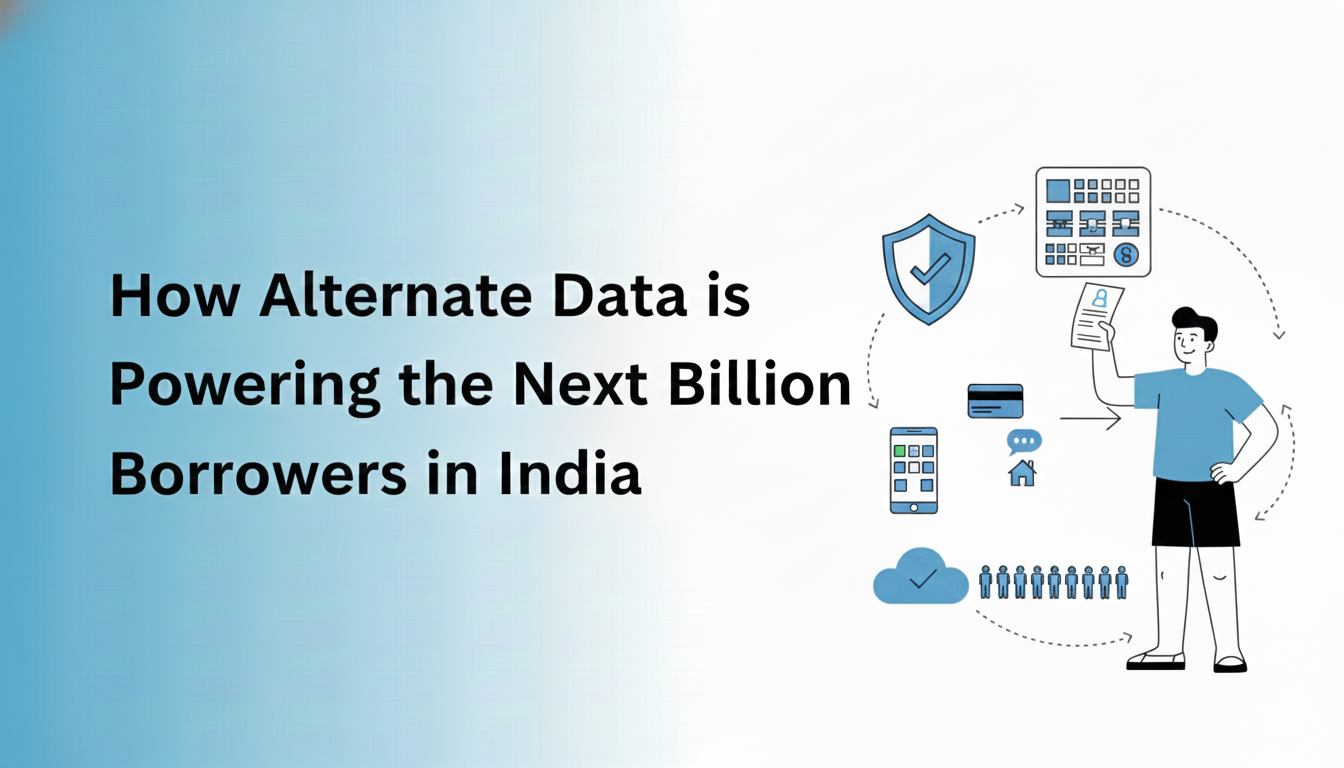
How Alternate Data is Powering the Next Billion Borrowers in India?
Alternate data is reshaping India’s credit ecosystem by giving visibility to the 450 million borrowers who lack bureau footprints. From bank flows and UPI to telecom and GST data, lenders can now assess real-world financial behaviour and extend credit responsibly to gig workers, MSMEs, and first-time borrowers.
-

How WhatsApp Is Transforming Insurance Renewals?
With WhatsApp, insurers can deliver personalised, verified, and frictionless renewal journeys that achieve 2–3x higher conversions. This article breaks down how WhatsApp drives faster renewals and how Digitap enables insurers to automate and scale them securely.
-
How WhatsApp-Based Chatbots Qualify Lending Leads in Minutes?
Most lenders in India don’t lack leads — they lack speed and precision in qualifying them. Manual verification and delayed follow-ups create drop-offs and waste effort. WhatsApp-based chatbots fix this. By automating engagement, running real-time eligibility checks, and personalising communication, lenders can qualify and convert borrowers faster.
-

Why you Should Use Account Aggregator for Cash Flow Analysis?
Account Aggregator data gives Indian lenders a real-time, structured view of borrower cash flows—unlocking faster underwriting, reduced NPAs, and better financial visibility. This guide explains how AA-based cash flow analysis works, its key advantages, and how Digitap enables compliant, end-to-end integration.
-

Is There an RBI Guideline for Using a Bank Statement Analyser?
The RBI doesn’t regulate bank statement analysers directly, but strict frameworks like KYC Master Directions, Account Aggregator rules, Fair Practices Code, and Data Protection laws to govern how financial data must be handled. This article explains how lenders can use automated analysers safely while being compliant.
-

How WhatsApp Is Transforming Loan Collections?
Traditional loan collection channels including SMS, calls, and manual follow-ups , are losing relevance in a digital-first India. With 98% open rates and verified business profiles, WhatsApp offers lenders a faster, trusted, and conversational way to recover dues.
-
The Difference Between AA and PDF Bank Statement Analysis
Bank statement analysis powers credit and fraud decisions, but PDF-based methods risk tampering and errors. The RBI’s Account Aggregator (AA) framework offers secure, verified bank data. This article compares both approaches and shows how Digitap’s hybrid model delivers accuracy and speed.
-
How to design frictionless lending journeys using WhatsApp?
Traditional digital loan journeys lose more than half of applicants to friction. This playbook shows how WhatsApp turns that around. From instant lead capture to real-time verification, lenders can deliver a single-thread, frictionless experience that improves conversions and borrower satisfaction.
-
Which Account Aggregator to choose for bank statement parsing?
RBI’s Account Aggregator (AA) framework provides secure, structured bank data—but it doesn’t “parse” or underwrite for you. This guide explains the core AA APIs (Consent, Data Fetch), common pitfalls, and how Digitap’s FIU-grade API turns raw AA payloads into actionable credit intelligence—fast.
-
How to Stay Compliant with RBI Rules on Video KYC?
This article explains the compliance framework, technical standards, and monitoring practices BFSI firms need to follow along with how vendors like Digitap help institutions stay compliant while ensuring smooth digital onboarding.
-
How to recover abandoned loan applications? – A Playbook
This practical playbook shows lenders how to detect drop-offs in real time and re-engage borrowers on WhatsApp—using the 24-hour service window, approved templates, smart message sequences, automated FAQs, and seamless human handoff—to turn lost intent into completed applications.
-

What Mistakes Do BFSI Firms Make When Selecting VKYC Vendors?
Selecting a VKYC vendor is a strategic decision for BFSI firms, yet many make costly mistakes. This blog explores the top 5 pitfalls—from ignoring RBI compliance and weak security checks to poor tech evaluations and offers a framework for choosing the right partner to ensure compliance, security, and long-term value.